

Opposite Worlds: Double-Exposure Photography
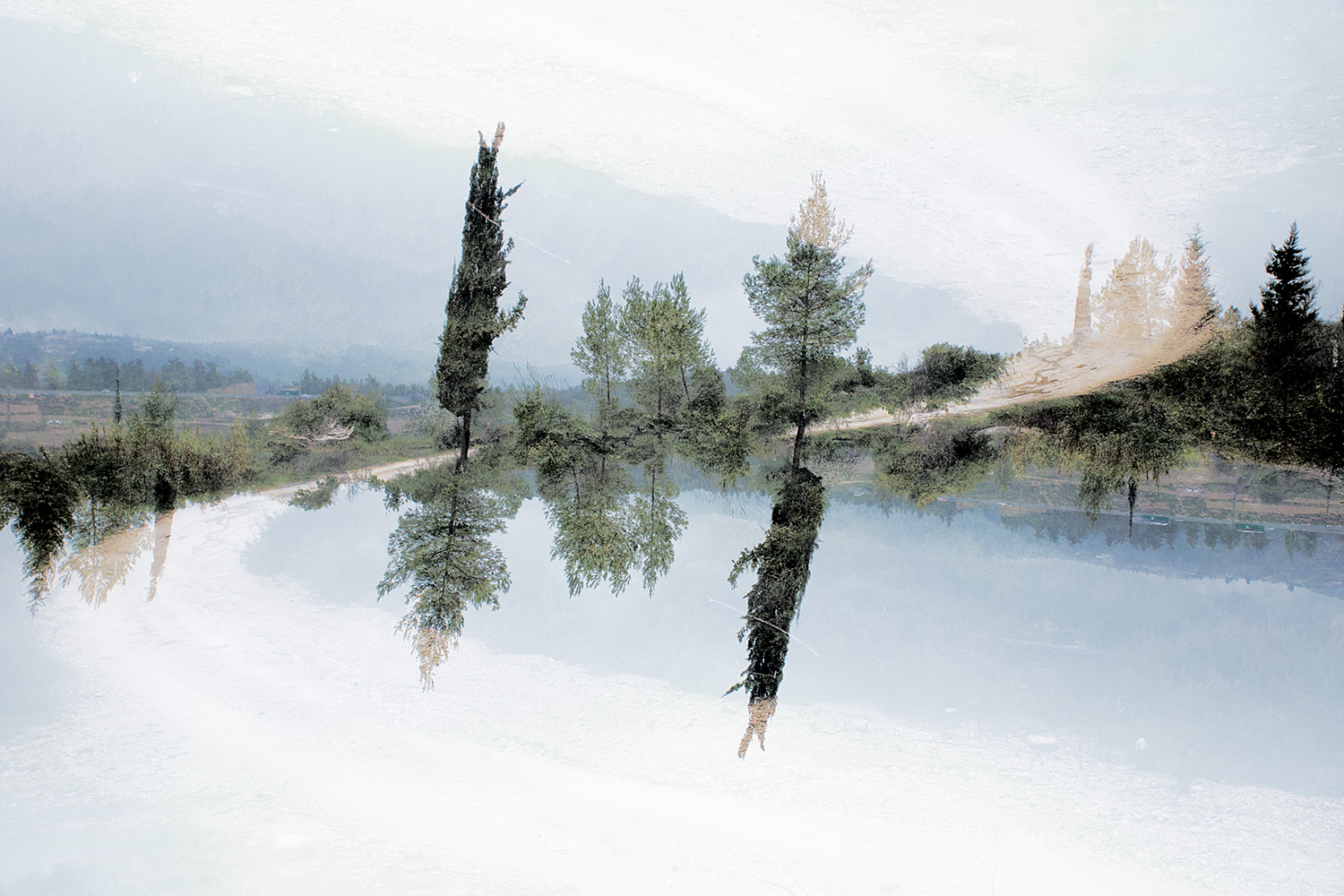
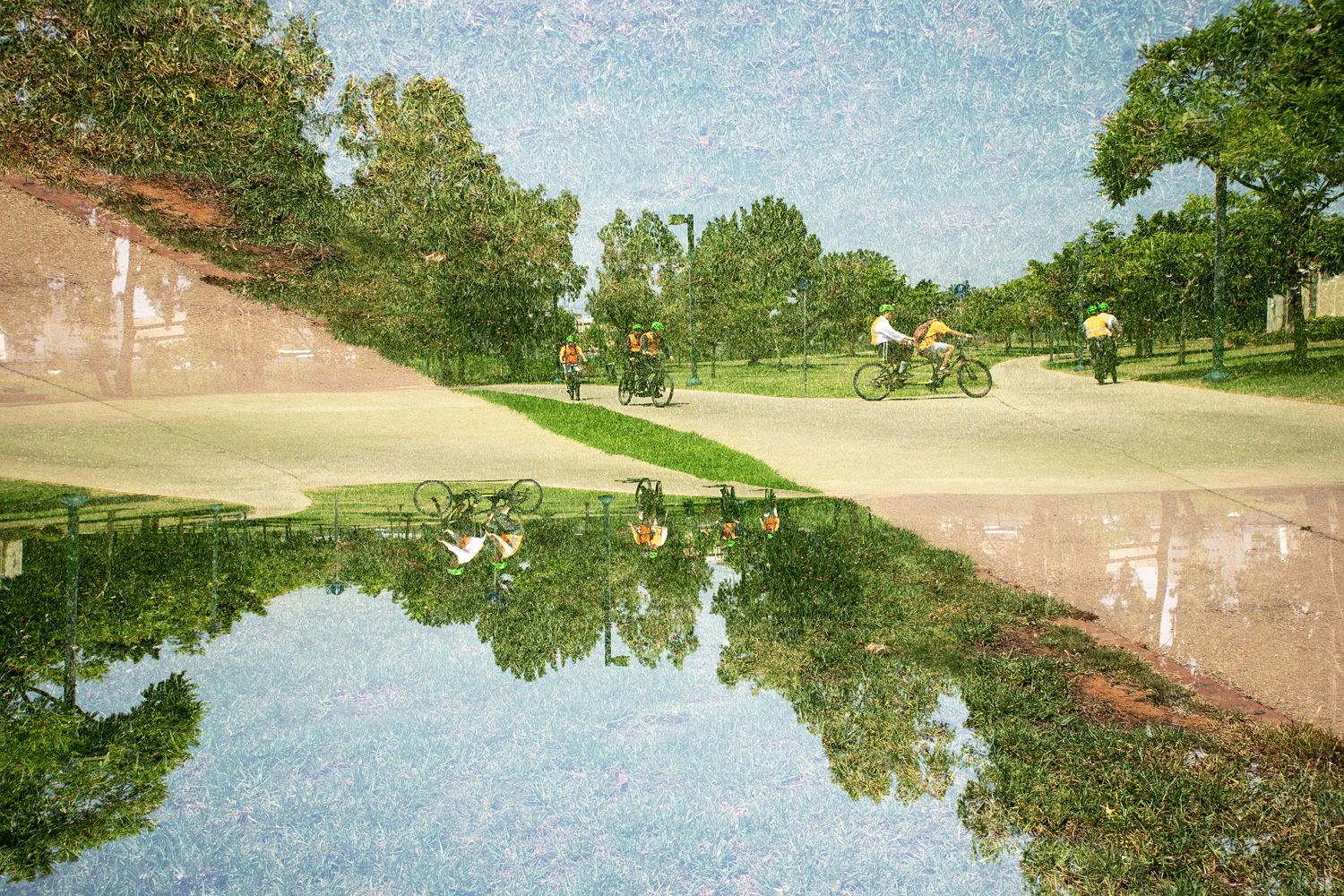
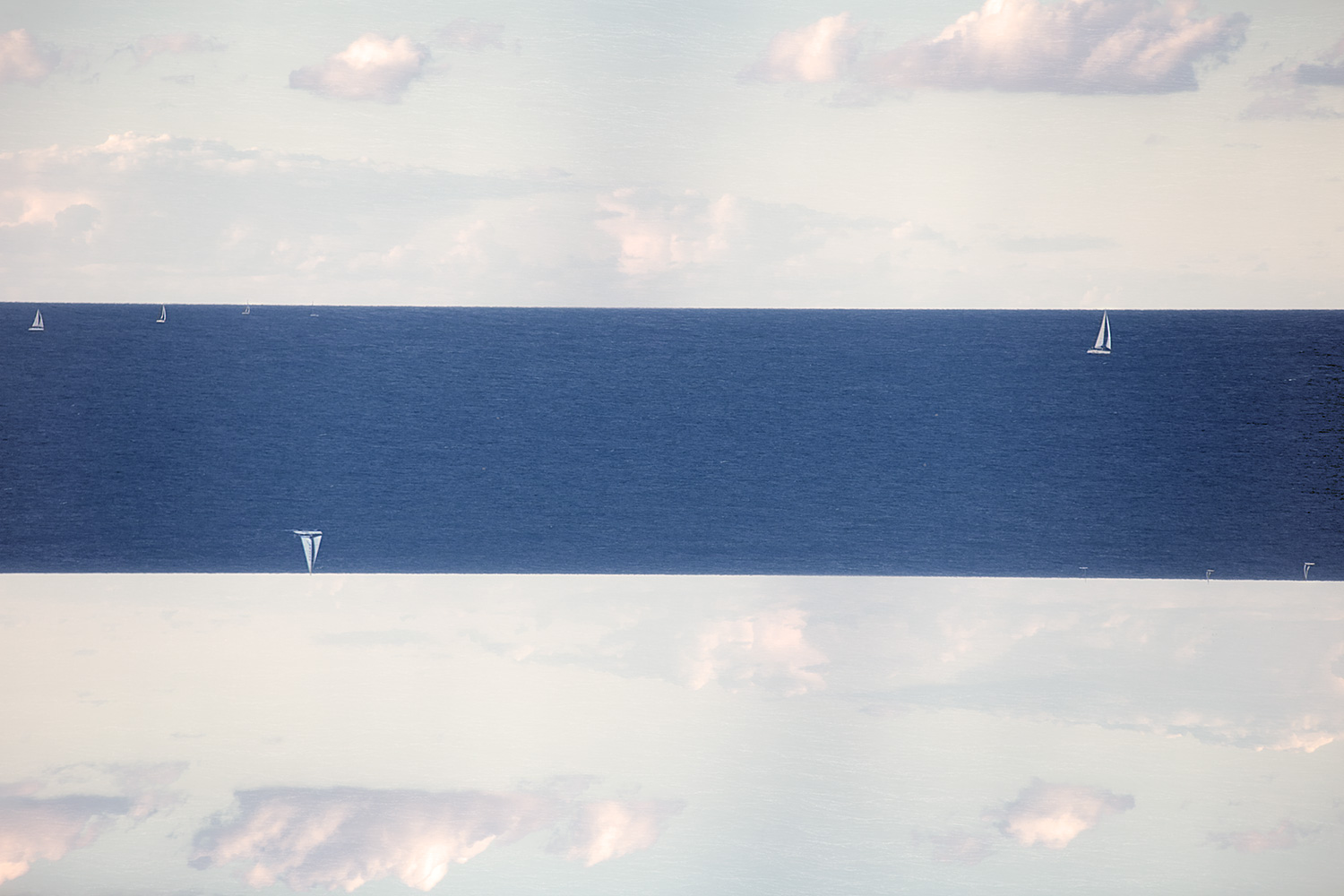
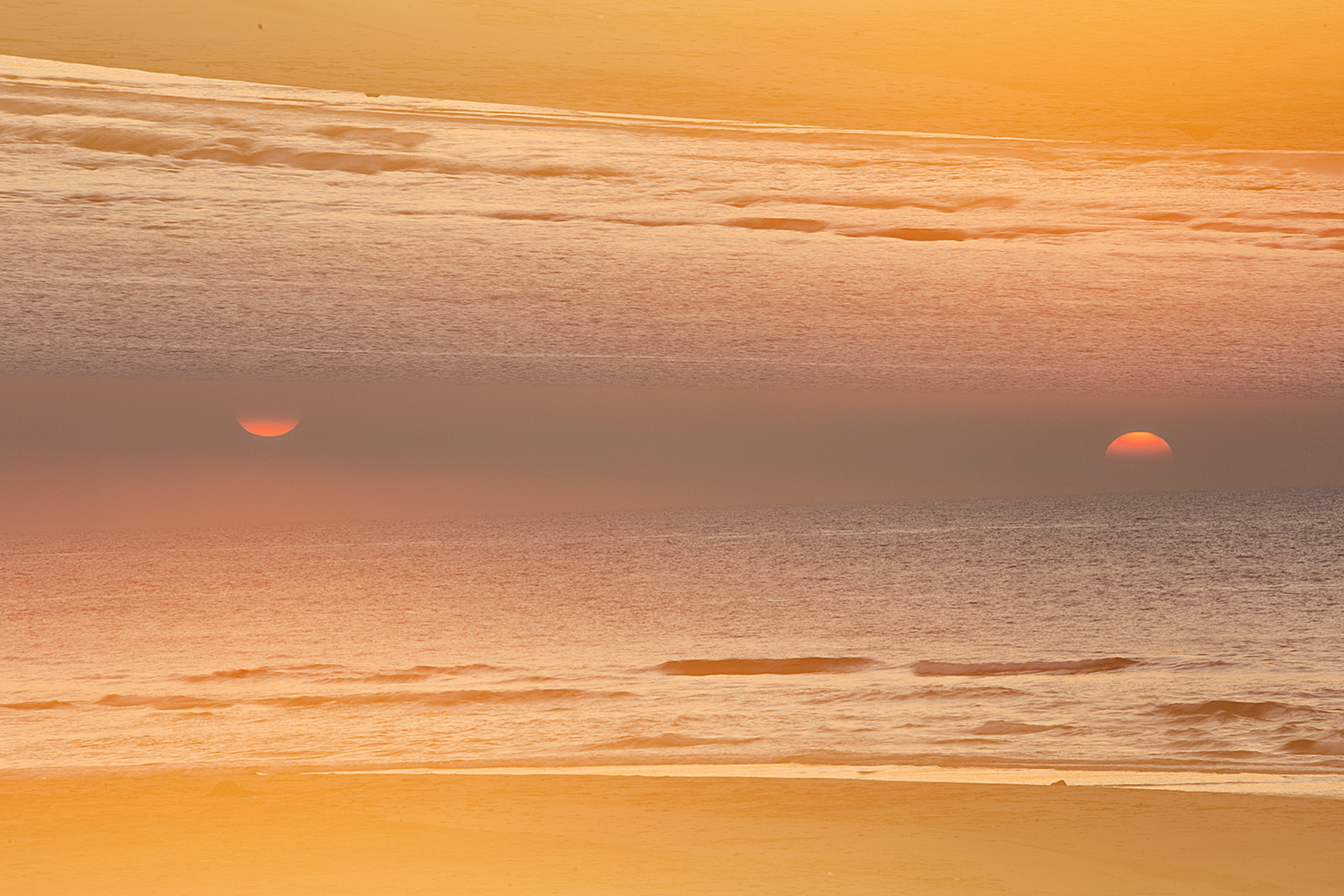
I submitted a series of eight photographs to the International Photography Awards (IPA), in the Special/Special Effects category, and received an Honorable Mention for the series. You can see all eight photographs below, and on the IPA page here.
Multiple-exposure photography is not new. I used this technique myself with positive slide film about 20 years ago, using my Canon SLR (see my post on triple exposure moon eclipse here). In the digital era, however, we can easily use Photoshop to build composites from individually selected photographs, with far greater artistic freedom. So do we really need in-camera multiple-exposure photography?
I can point to two main reasons that may keep us from such Photoshop manipulations: necessity and arrogance. I don’t particularly like either one, but, honestly, those were my reasons.
Arrogance comes from the statement, “Look, no hands!” In other words: “I’m so good I can create marvelous photographic artworks with no Photoshop!” I admit that feeling I know exactly what I’m doing makes this a very tempting reason. However, I have no doubt that I can do an equally good—or better—job with Photoshop, at least in the many instances where in-camera techniques fail me, as they did time after time. So why insist on in-camera double exposure?
There is a simple, honest answer: it gives me instantaneous results and therefore immediate satisfaction. But when I make art, that shouldn’t stop me from doing a better job by working harder. So I fall back—as a last resort—on the necessity excuse: the rules set by photography contests.
As it stands now (2018), most photography contests do not allow excessive post-processing manipulation. However, they were completely satisfied if you provided a raw file that matched the final image. This policy follows the old, conservative school of photography that adheres to the Code of Ethics of visual journalists. That code is certainly justified for news and documentary photography, which aims to tell a story as it really happened. We all know this can’t be fully achieved, because a photograph can capture only a section of visual truth—in time and in space—selected by the photographer. Yet that’s the goal.
However, photography has another goal: making art—creating aesthetic value—and, even more importantly, evoking emotion.
Old-school photographers take pride in sticking to the “no hands” strategy while still making their photographs art. Contemporary photographers, on the other hand, take pride in controlling the modern darkroom—the computer—to create photographic art, no less than the legacy earned by some of the best film photographers who mastered the chemical darkroom.
My Opposite Worlds double-exposure method was an attempt at a compromise. It allowed me to follow my imagination and create photographs, some of which make a justified conceptual statement (see “In Between Skies” in the “Challenges in the Wind” gallery). It also allowed me to enter the Special Effects category in the IPA and earned me an Honorable Mention. These photographs should not have been assigned to the strict Digitally Manipulated category (where I won another Honorable Mention), because they—or something very similar—can be produced on film. Film double exposures are nearly identical to digital double exposures when using the DSLR’s “Additive” multiple-exposure option.
This flexibility—allowing such images to be accepted as photographs rather than as photography-based art—was my “necessity” excuse. I have no regrets. Necessity forced me to explore and enjoy the great potential of in-camera double exposure, and to make the best of it to create art, my way.




Dear Jasmina,
Thank you so much for your warm and kindest compliments!
I do enjoy the survey of your work, the presence of your personality, and the intricacies to brought you where you are. You are an exceptional artist Oren.My compliments and many thanks. Yasmine