

What is a Good Photograph? (2)
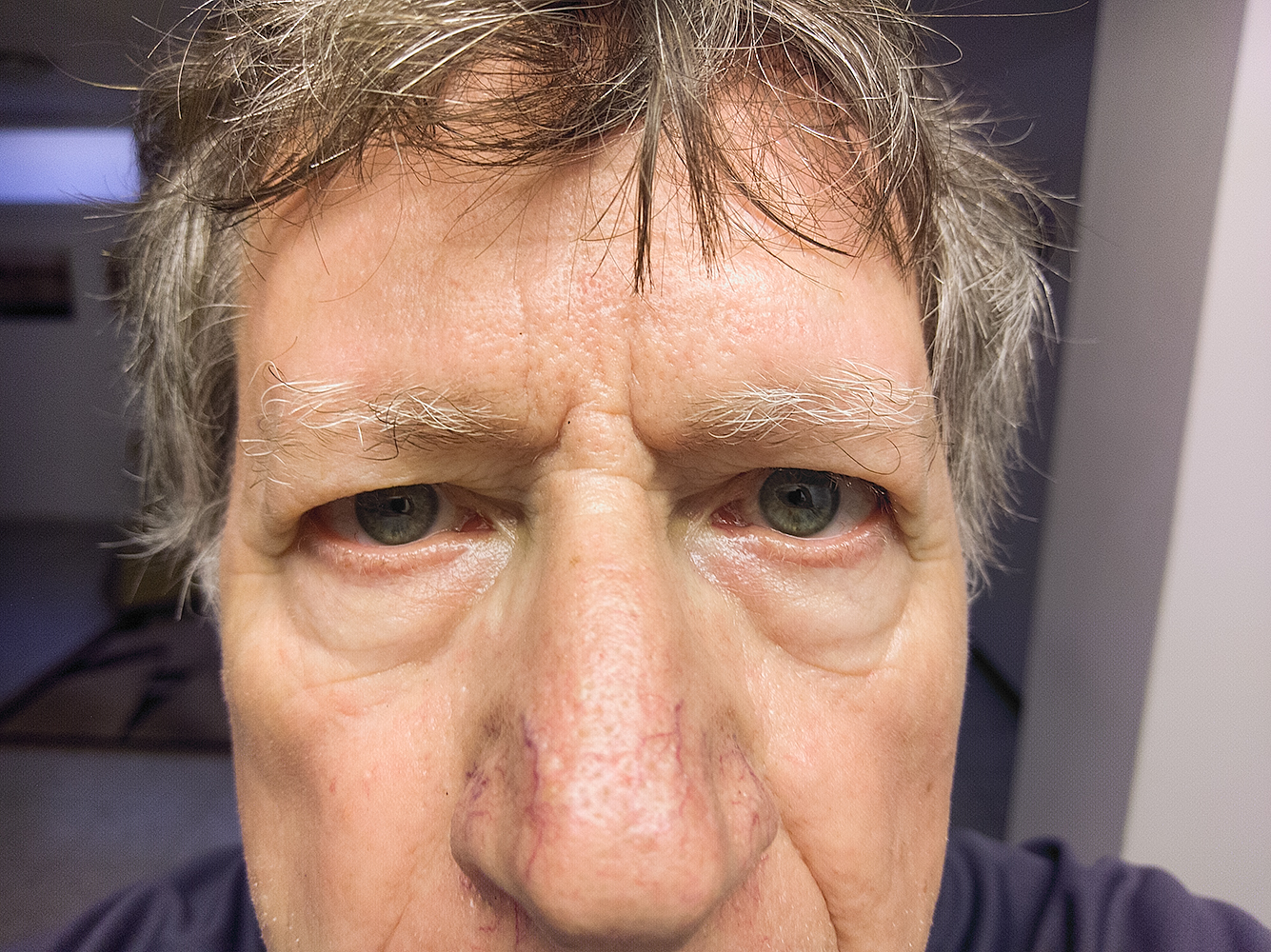
Self-portrait: Locked in quarantine in Covid-19 epidemic.
My previous post discussed this question from an artist’s point of view. It neglected at least one important aspect of “good photography”: How do we look in the photograph? The previous post did not take into account that sometimes a photograph’s purpose is to show us at our best—or to preserve the memory of our existence in a certain place or with certain people—rather than to be “good art.” I therefore thought it would be appropriate to add a post that addresses this view of “good photography.” This time I chose to be more subjective, personal, and exposed than in any previous post, and to deal with myself.

A representative self photograph, taken more than ten years ago. Smiling—reservedly—because, subjectively, I don’t have many good smiling photos. What my children tell me about my photos is not relevant here.
The question “Do I look good in this photo?” is significant, and it inevitably connects to “What is beautiful?” and “What is beauty?”
There are many ways to answer these questions; many were explored in detailed evolutionary-psychology studies in the early 1990s. One of the criteria highlighted in these studies is a youthful appearance, and indeed we often evaluate portraits from this point of view—especially as we grow older.
This is almost universal: in representative formal photographs, many people prefer to display images of themselves at younger ages. This also means that, in representative portraits, there is an advantage to photographs that are softer, that do not reveal every skin blemish, that emphasize qualities widely accepted as beautiful, and that manage to conceal what is less acceptable—preferably in a way that makes the effort invisible.
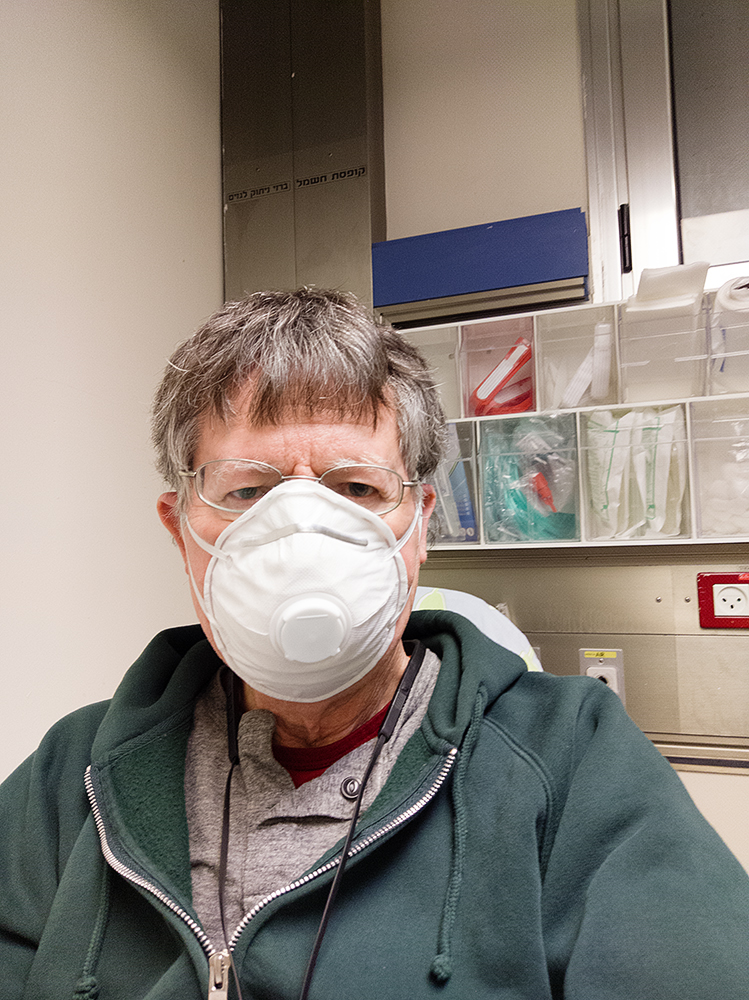
Waiting in the emergency room. A moment after the first Covid-19 lockdown was announced, I found myself waiting in the nearest hospital’s emergency room. All the findings were fine, and it gave me an excellent opportunity for a selfie.
Setting aside beauty as it is perceived in society—culturally and genetically—there is also a very subjective question in evaluating a photograph: Do we like ourselves in it? It really is subjective. Some people like their photographs a lot and take many selfies, for example; others hate them, with no necessary connection to objective standards of beauty.
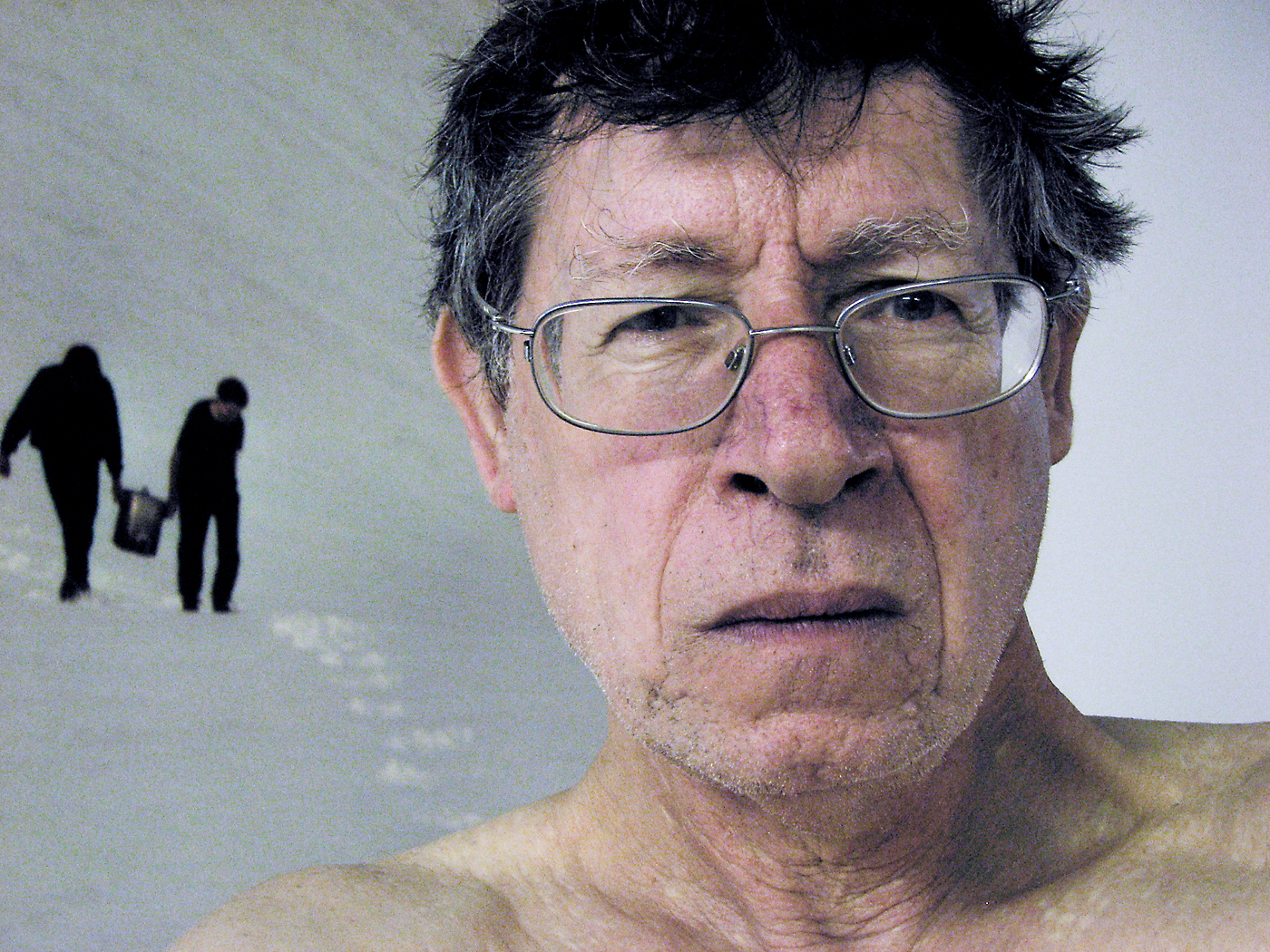
Beyond the Arctic Circle. This is also an old photo, more than ten years old. This time, the background is an even older photo—about 30 years old—that I took beyond the Arctic Circle in northern Norway, at about a quarter past midnight, in full daylight, with the fresh snow of August. Do I look good here? Relative to my other photos, I think I look very good here, but both the question and the answer are entirely subjective. When I don’t have an objective tool for judgment, I usually conclude that I simply don’t know.
I have included many photos of myself in this post. To be honest, since I do not like the way I look in any of them—or in most of my photos, for that matter—I take only a few photos of myself and am reticent about presenting them here. Still, since I am the most available model to myself, every now and then I take a photograph of myself—especially when I feel there is some kind of artistic expression or statement I can make.
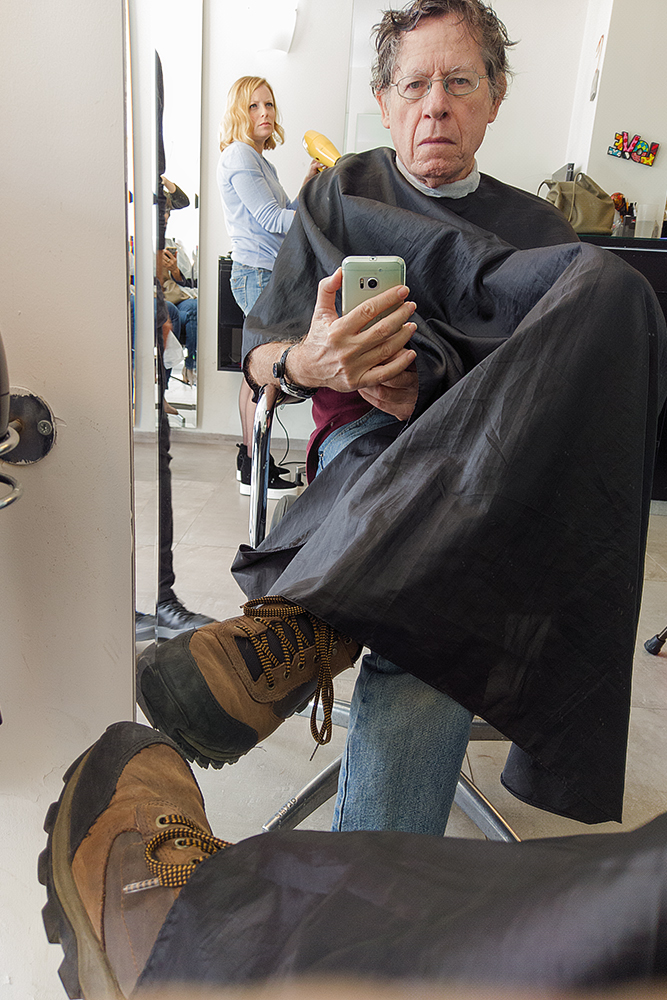
At the hairdresser. A self Portrait.
From all of this comes a statement—perhaps a bit cynical about myself—that may reflect a subjective constraint, or simply a lack of choice: in the end, I prefer to view my self-photographs from an artistic point of view, rather than as photographs meant to present my “pretty face.”
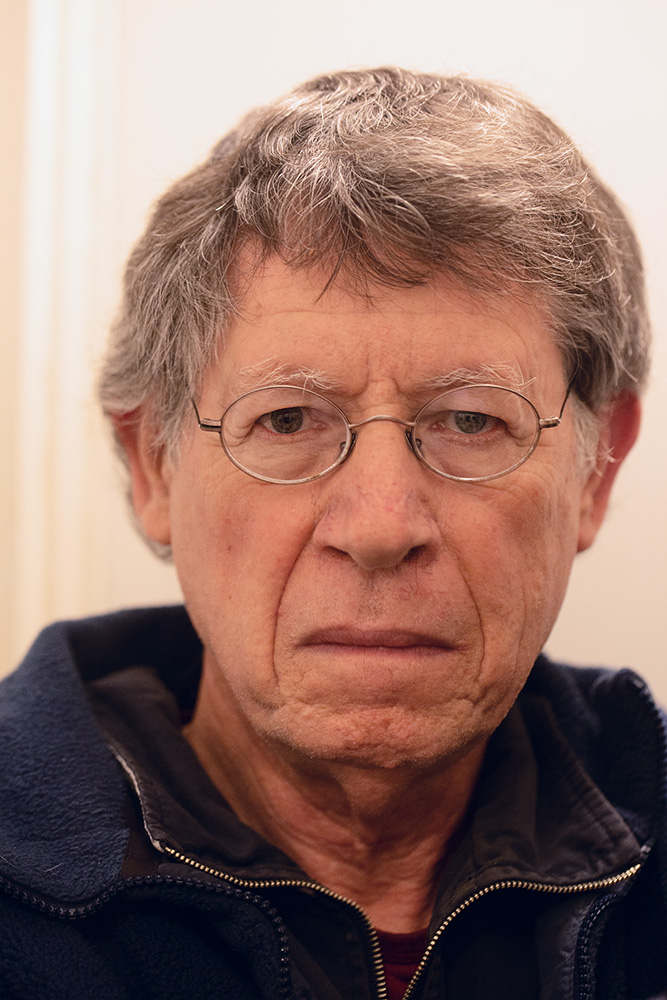
My Default Hairdresser. During the Covid-19 period, having little choice because barbershops were closed, I learned to cut my own hair. I made this self-portrait to show that I was able to beat the virus—and my fear of damaging my image. In retrospect, when I look at the photographs I chose for this post, it seems my haircut has become an issue for me. Is it because it is something I like about my appearance?
This post is about good photography. In particular, it deals with portraits—or more specifically, self-portraits—and I have used my own self-portraits as examples. Are they good photographs? Do they represent me well?
The thing is, these are exactly the same questions we ask ourselves when we photograph our children or other family members, when we take professional wedding photographs, when we make portraits of others, or when we photograph a newborn: Is a photograph that pleases the subject considered a good photograph? And what do we do when the subject cannot express an opinion because it is a bird, an insect, or a flower? Are photographs in which they look good to us good photographs, even if they have no artistic value?
Actually—why not?
This is, of course, a rhetorical question. This is where I stop.
Recent Comments